
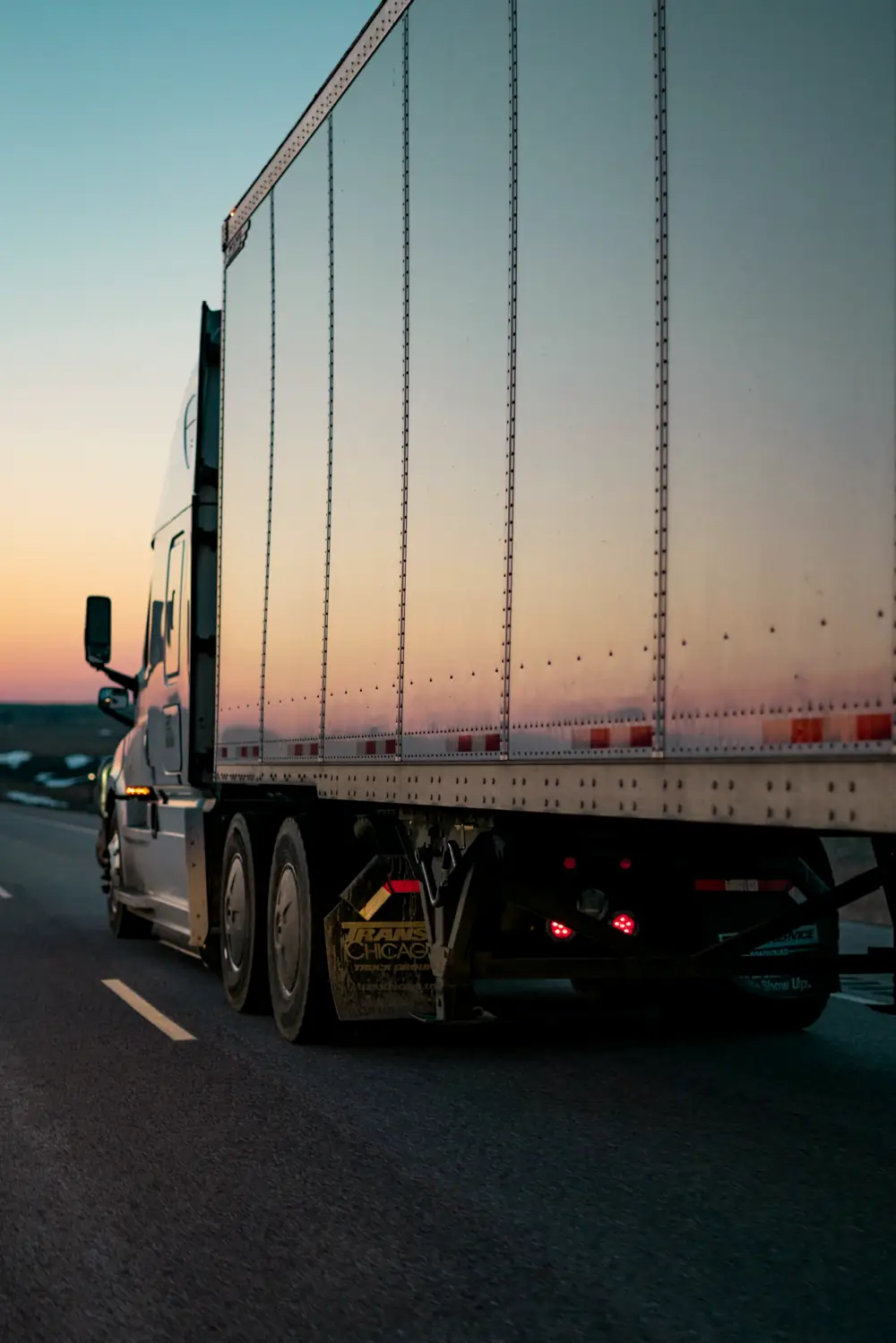
Dry van dispatch for owner-operators
The biggest freight pool in trucking, handled by a dedicated dispatcher who finds the loads, negotiates the rate and keeps your paperwork moving. You approve every load.
Why dry van is the most flexible equipment
A dry van is an enclosed trailer that protects freight from weather and theft. Because most boxed, packaged and palletized freight moves in vans, dry van drivers see the biggest pool of loads, the most brokers and shippers, and the easiest reloads in most markets.
That also means more competition for every load. With so much freight available, rate and lane choice matter more than simply finding a load. The goal is not to stay busy, it is to stay busy on the right freight.
- Typical dry van freight: consumer goods, retail replenishment, paper and packaging, non-perishable food, auto parts and general palletized freight.
What a dry van dispatcher does for you
- Screens every load for rate per mile, deadhead miles and the broker's payment history before it reaches you.
- Plans the reload before you deliver, so you are not left empty in a weak market.
- Negotiates the rate and accessorials such as detention, layover and truck-ordered-not-used (TONU).
- Handles the paperwork: rate confirmations, BOLs and invoicing.
- Watches appointments and keeps brokers updated so you are not on the phone while driving.
Dry van details that decide your profit
Two loads can pay the same per mile and earn very different weeks. These are the factors a good dispatcher checks first:
- Live load or drop-and-hook. Live loading can mean hours of waiting. Detention terms should be agreed before you accept.
- Lumper and unloading fees. Know who pays before you arrive.
- Freight density by region. Some areas have strong outbound freight and weak return freight, so the best plan is often a round trip, not a single load.
- Weight. A 53-foot van typically carries up to about 45,000 lb of freight inside the 80,000 lb federal gross weight limit.
How Sonex dispatches dry vans
Tell us your setup
A short onboarding call covers your dry van, home time, preferred lanes and the weekly revenue you need. About 30 minutes.
We find and screen loads
Your dispatcher works load boards and broker relationships around the clock, screening for rate, deadhead and broker history, then sends you the load.
You approve, we handle the rest
You say yes or no to every load. We negotiate, send rate confirmations, track check calls and handle BOLs and invoicing. Dispatchers answer 24/7.
A dry van hauls enclosed, non-temperature-controlled freight such as packaged goods, palletized products, paper, auto parts and retail inventory, typically up to about 45,000 lb on a 53-foot trailer.
Yes. Sonex dispatches dry van owner-operators and small carriers across all 48 contiguous states, from regional runs to coast-to-coast routes, matched to your lanes and home time.
No. Sonex never forces dispatch. Your dispatcher presents each load with the rate and details, and you keep final approval on every load.
Most qualified carriers can start within 24 hours. Onboarding means signing the dispatch agreement, submitting the required documents and a short call about your equipment, lanes and home time.
Let's get your truck moving.
Apply in four short steps. A Sonex team member responds within a few hours, and most qualified carriers start within 24 hours.