
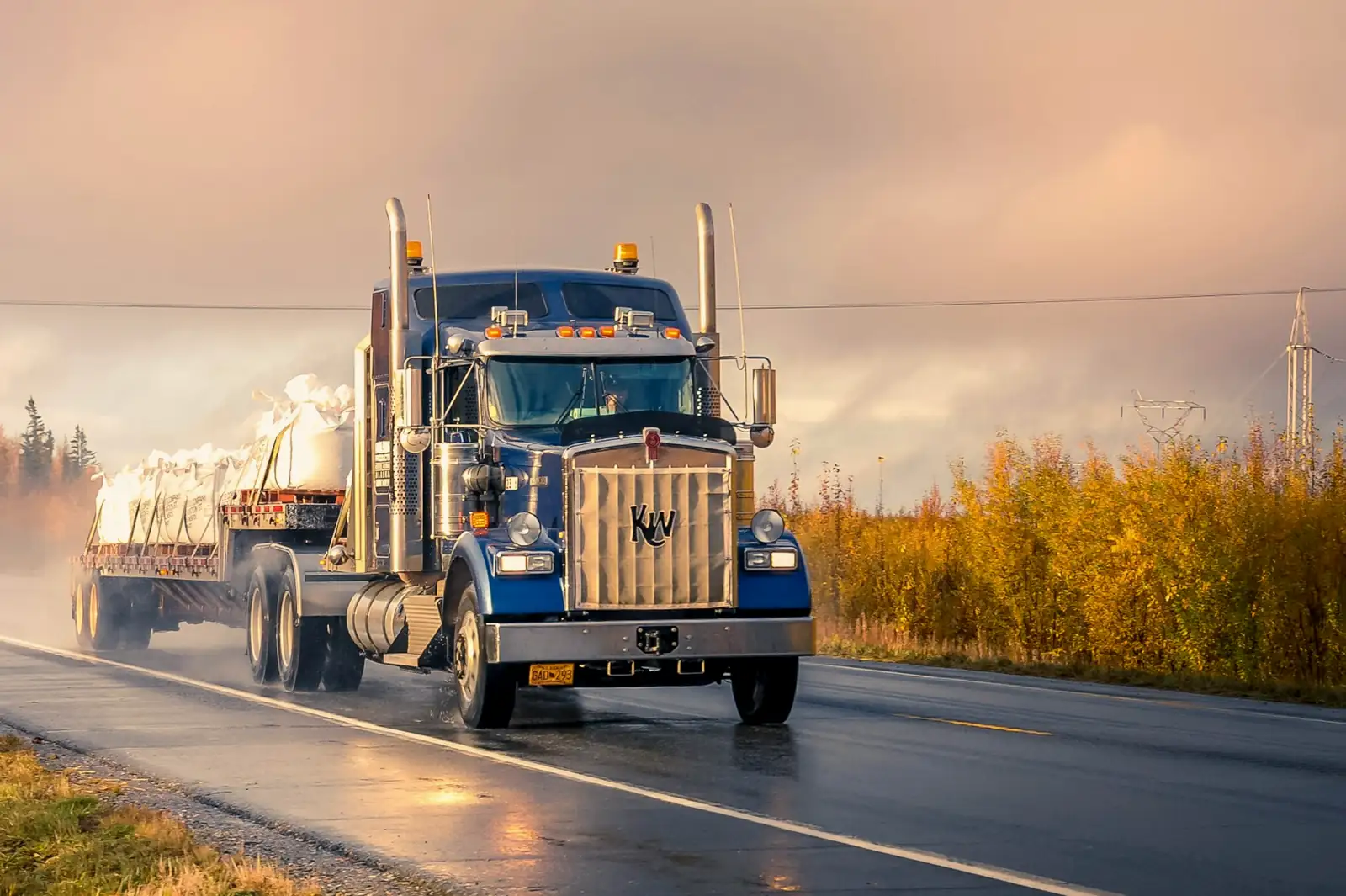
Flatbed dispatch for owner-operators
Open-deck freight rewards drivers who plan well. Your dispatcher checks tarps, securement, dimensions and appointments before you accept, so the rate you see is the rate you earn.
Open-deck freight takes more skill
Flatbeds haul what will not fit in a box: steel coils and pipe, lumber, building materials, machinery and equipment. Loading is usually from the side or top, and securing the load is part of the job.
Flatbed rates can be strong because fewer trucks can do the work properly. You pay for that in time, with tarping, strapping and waiting, so the right question is what a load pays per hour, not just per mile.
What flatbed dispatch covers
- Tarp requirements and fees written on the rate confirmation before you accept.
- Dimensions and permits. Loads over legal width, height or weight need permits, which the carrier obtains for each state on the route. Your dispatcher flags dimensions before booking.
- Securement equipment. Confirm the straps, chains, binders, corner protectors and tarps the load needs.
- Appointment and loading windows, since many shippers load first-come, first-served.
- Weather and seasonal swings, which move flatbed demand and rates through the year.
Keeping flatbed weeks profitable
Reloads on a flatbed depend heavily on where you deliver. Industrial and construction regions tend to have more outbound flatbed freight than rural delivery points. Planning the next load before you deliver the current one is how drivers avoid long deadheads.
How Sonex dispatches flatbeds
Tell us your setup
A short onboarding call covers your flatbed, home time, preferred lanes and the weekly revenue you need. About 30 minutes.
We find and screen loads
Your dispatcher works load boards and broker relationships around the clock, screening for rate, deadhead and broker history, then sends you the load.
You approve, we handle the rest
You say yes or no to every load. We negotiate, send rate confirmations, track check calls and handle BOLs and invoicing. Dispatchers answer 24/7.
Many steel, lumber and machinery loads require tarps. The requirement should be written on the rate confirmation, and tarping fees should be agreed before you accept the load.
Loads over legal width, height or weight need oversize or overweight permits, which the carrier obtains for the states on the route. Your dispatcher should flag the dimensions before booking.
A flatbed hauls open-deck freight such as steel, lumber, building materials, machinery and equipment, typically up to about 48,000 lb on a 48-foot deck.
Yes. Sonex dispatches flatbed owner-operators and small carriers across all 48 contiguous states, and you approve every load before it is booked.
Let's get your truck moving.
Apply in four short steps. A Sonex team member responds within a few hours, and most qualified carriers start within 24 hours.